Is it safe to reset an old diamond?
Usually yes. Nobody can promise it from across a counter, though, because the part of the stone most likely to be damaged is the part a prong has been covering for fifty years.
Is it safe to reset an old diamond?
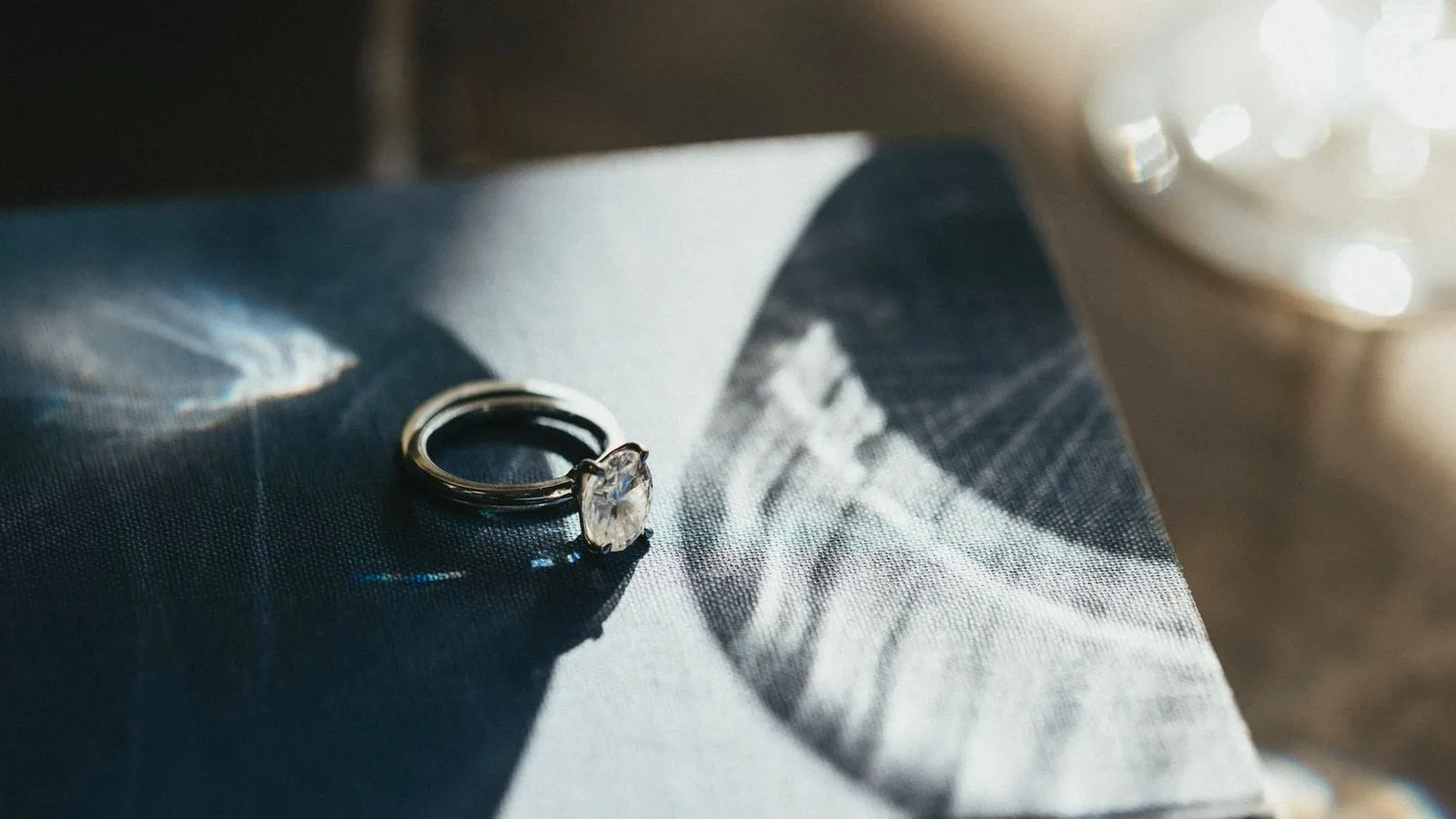
In the large majority of cases, yes. Diamond is the hardest natural material there is and an old stone that has been worn for decades is usually in better condition than its owner expects. Most inherited stones move into a new ring without drama.
The honest version of that answer has a condition attached. Nobody can give it to you properly until the stone is out of its old mount and under magnification. Two things decide it. Only one of them is visible while the stone is still set. The first is damage the stone has already taken. The second is the geometry of the cut, because an old stone was cut to different proportions than a modern one and those proportions change which settings are sensible.
A small number of stones should not be reset at all. A few more should not be reset yet. That is a real answer rather than a disclaimer. The last two sections of this guide are about how that call gets made.
What can actually go wrong
Hardness is not toughness. Diamond resists scratching better than anything else on earth and it still has cleavage planes, which are directions along which it will split if it is struck the wrong way. Setting a stone means applying pressure to it. Pressure applied to a flaw finds the flaw.
Four things matter. A jeweler is looking for all four.
- Chips and nicks at the girdle. The girdle is the outer edge of the stone at its widest point. It is where prongs press. A chip there is the single most consequential thing to find, because it sits exactly where the new setting has to grip.
- Feathers reaching the surface. A feather is an internal fracture. One that stays inside the stone is usually harmless. One that runs out to the girdle is a line along which setting pressure can travel.
- Abrasion at facet junctions. Decades of contact soften the sharp edges where facets meet. It rarely threatens the stone but it tells you how hard a life the piece has had.
- Treatments that will not survive heat. Fracture filled and some clarity enhanced stones can be damaged by the torch work that setting sometimes involves. A stone that has been treated needs to be identified before anyone reaches for heat.
None of that means an old stone is fragile. It means the assessment is not optional.
Why the damage hides under the prongs
This is the part that makes an opinion given over the counter, with the stone still in its ring, close to worthless.
A prong covers the girdle. The girdle is where chips happen. So the setting is physically covering the exact region of the stone that is most likely to be damaged, at four or six contact points. It has been covering it since the ring was made.
Older mounts make it worse. Prongs on an antique ring are often heavier and have been burnished further over the crown than a modern head would be, so they hide more. Decades of skin oil, soap and old polishing compound pack in underneath and behind the stone. A stone can look bright from above and still have something worth knowing about sitting under a claw.
What gets checked before anything is unset
The stone comes out first and the design conversation happens second. That order is the whole point, because the design has to be built around what the stone turns out to be.
- The stone is examined in the mount from every angle the setting allows, so anything already visible is known before it is disturbed.
- It comes out of the mount. It is looked at again clean and loose under magnification.
- The girdle is traced the whole way round, which is the check the mount made impossible.
- Any feather is traced to see whether it breaks the surface and at which point.
- The stone is measured, because a setting is cut to a specific stone rather than to a carat weight.
- The old mount is assessed on its own merits, because sometimes it is the thing worth keeping.
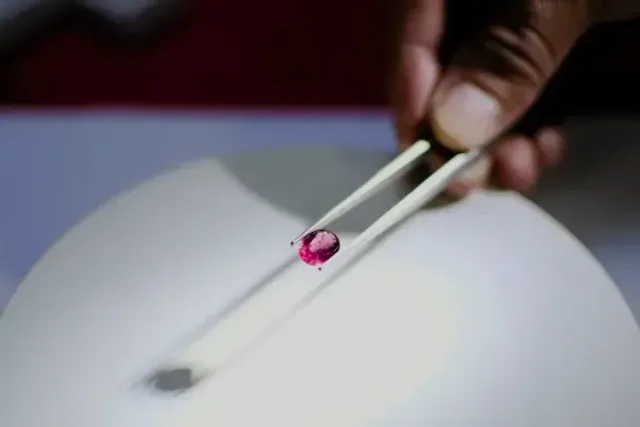
Colored stones change this materially. Sapphire and ruby handle it much as a diamond does. Emerald is included by nature and usually oiled. Opal and pearl are far softer. Tanzanite chips more easily than its price suggests. A colored stone is a different conversation with different answers, not the same one at a different hardness.
When the answer is no
Occasionally a stone should stay where it is. These are the situations where that is the recommendation.
A feather that reaches the girdle at the point a prong needs to sit. Sometimes the design can be changed so the pressure lands elsewhere. Sometimes it cannot. Moving the stone then means accepting a risk that is not worth taking for a change of style.
A stone whose damage is currently being held together by the mount it is in. An old bezel can be doing structural work nobody realized it was doing. Taking it off does not always improve matters.
An antique mount with value of its own. Hand pierced galleries, old mine cut settings and period work are not always replaceable. A reset can quietly destroy the more interesting half of the piece. Restoring it is often the better job.
The sentimental case, which comes up more than the technical ones. Sometimes the piece as it stands is the thing being kept. A redesign then removes exactly what made it worth keeping. That is worth saying out loud before the drawings start rather than after.
An honest no costs a sale. It also saves a stone that cannot be bought again. There is no version of that trade worth getting wrong.
What to bring to the appointment
Bring the piece. Bring any paperwork with it, an old appraisal, a grading report or a receipt, because a document that names a treatment changes the recommendation before anyone touches the stone.
Bring what you know about it too. Who wore it, roughly when it was made and whether it has been repaired before. A ring that has been resized twice and retipped once has a history worth knowing. Provenance is genuinely useful here rather than sentimental padding.
The estimate is free and it comes before any work. Nothing is unset, ordered or cast until the price and the plan are agreed. If the recommendation is to leave the stone where it is, that gets said plainly.
Astra Jewelers is at 250 Bellevue Ave, 2nd Floor in Upper Montclair. The studio works on pieces from any store, of any origin and in any condition. Bench work is coordinated through the jewelers the studio has used for years.
Common questions
Can an old diamond be damaged when it is reset?
It is possible and it is uncommon. The risk is not the stone being soft, because diamond is the hardest natural material there is. The risk is existing damage. A chip at the girdle or an internal feather that reaches the surface gives setting pressure somewhere to travel. That is why a stone is examined out of its mount before anything is designed around it, rather than after.
Can you tell if a stone is chipped without taking it out of the setting?
Not reliably. This is the main reason a proper answer takes an appointment rather than a phone call. Prongs cover the girdle. The girdle is where chips happen, so the setting hides the exact region most likely to be damaged. An opinion given with the stone still in its mount is a guess in either direction.
Are old European and old mine cuts riskier to reset than modern stones?
Not riskier, but different. Older cuts often carry thinner girdles than a modern brilliant. A thin girdle is more vulnerable at the moment a prong is pressed over it. That rarely rules out a reset. It changes which settings are sensible, which is a design decision made early rather than a problem discovered late.
Is resetting a colored stone different from resetting a diamond?
Yes, substantially. Sapphire and ruby are hard enough to be treated much like a diamond. Emerald is included by nature and usually oiled. Opal and pearl are far softer. Tanzanite chips more easily than people expect. A colored stone gets a different assessment and sometimes a different answer. The setting style is chosen to protect it rather than to show the most of it.
Should I reset my grandmother's ring or leave it as it is?
It depends on what you are keeping. If the ring as it stands is the memory, a redesign can remove the thing that made it worth keeping. If it sits in a drawer unworn, resetting the stone is how it gets worn again. A piece being worn is usually the better outcome. Where the mount is period work with value of its own, restoring it is often the stronger option. You get told which of those it looks like before any work is agreed.
Can I keep the original setting if I reset the stone?
Yes. It is worth asking for. There are three options for the old mount. Keep it as it is, restore it to wearable condition or reuse its metal in the new piece. Those are three different outcomes and they are worth deciding on deliberately rather than discovering afterwards that the original was scrapped.