Custom jewelry,
from an idea to
the finished piece
-
A private studio, by appointmentWalk-ins are welcome too, Monday through Saturday.
-
The stone comes before the designA setting built to your exact stone.
-
See it in 3D, then wear itA printed model you wear before casting.
-
Heirloom resets and stone sourcingBring a stone you own or start from nothing.
-
Gold, platinum and white gold14k to 18k, plus rhodium replating.

Book a Design Appointment

Every custom piece starts
one of three ways
Some people arrive with a stone. Some arrive with a photograph. Most arrive with something harder to hand over, an idea. All three are normal and the studio is built to meet each one. However it starts, the sequence from there is the same. A 3D rendering, a printed model worn on your own hand and the exact price approved before anything is cast. If you are still weighing a studio against ordering from a website, the case is made honestly in our custom jewelry vs buying online guide.
A stone you have or one we find
Inherited, loose or sitting in a ring nobody wears. If you do not have one, gemstone sourcing starts here instead, with natural and lab grown shown side by side at matching specification. Either way the design is drawn around the stone and its exact measurements.
A picture you keep going back to
A screenshot folder, a saved post, a ring seen once and never forgotten. We translate it into a 3D rendering around the right stone. Changes at that stage cost nothing but a conversation.
An idea you cannot draw yet
The most common start of all. You describe the feeling and we put stones and options in front of you until the picture sharpens. One customer wrote that we offered ideas at exactly the point of not being able to verbalize the vision. That is the job.
What clients say
Google Reviews
Real customer feedback, see what people say about Astra Jewelers.


The part that decides
everything after it
Natural or lab grown
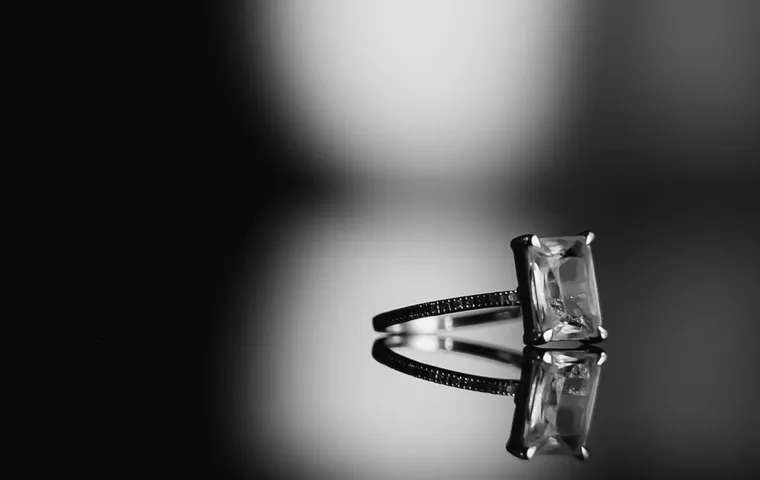
Same mineral, same grading scale. Nobody can tell them apart by eye. What differs is how the stone was formed, one under the ground over roughly a billion years and one in a reactor over a few weeks, and what it costs.
Shown together at matching specification. Both come out on the desk in daylight with the certificates, so the comparison is yours. There is a longer version in our lab grown vs natural diamonds guide.
Cut before clarity
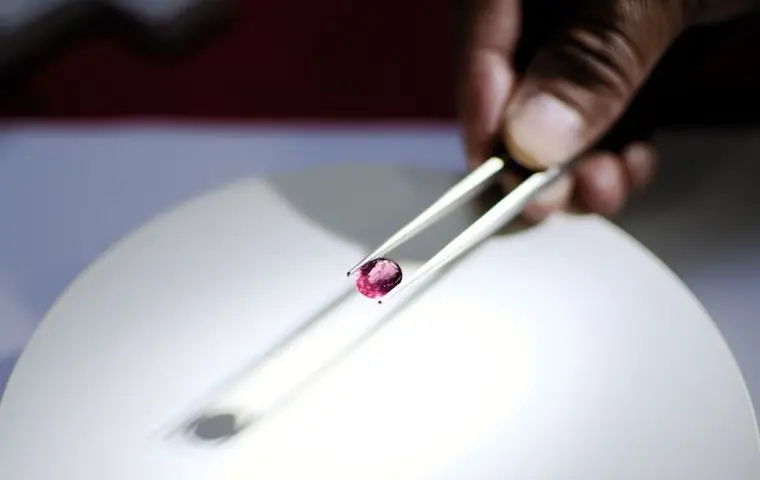
Cut is what makes a diamond return light. A well cut stone one clarity grade lower usually looks brighter than a poorly cut stone with the better certificate. It also costs less.
Eye clean is the practical test. If an inclusion cannot be seen without magnification at normal distance, it is doing nothing to the way the ring looks on a hand.
Colored stones behave differently
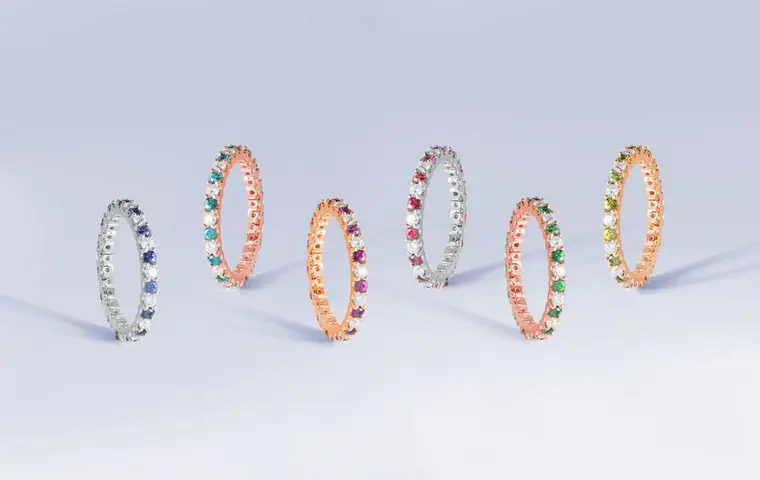
Sapphire and ruby are hard enough for daily wear. Emerald is included by nature and usually oiled. Opal and pearl are softer again. Tanzanite is easier to chip than its price suggests.
Hardness decides the setting. A softer stone wants a bezel or a protected profile rather than raised prongs, which is a design decision made before the drawing, not after.
Millimeters, not carats
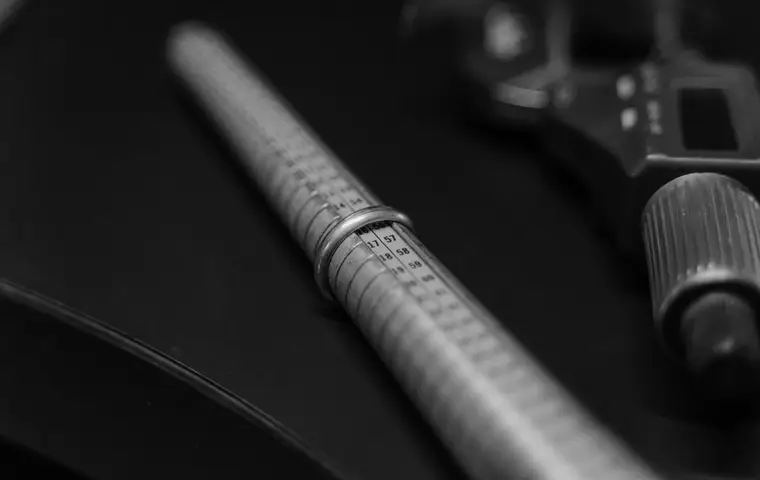
Two stones at the same carat weight can differ noticeably across the top, because weight can hide in a deep pavilion. The measurement that matters for how large a ring reads is the diameter.
The setting is cut to your stone. Seat depth, prong position and the gap under the stone are all built to the one you own, which is why the stone is chosen first.

How it will look
in ten years
Metal is usually picked on color in the showroom and regretted on wear. The differences are real and they are easy to explain, so here they are before you choose.
Platinum
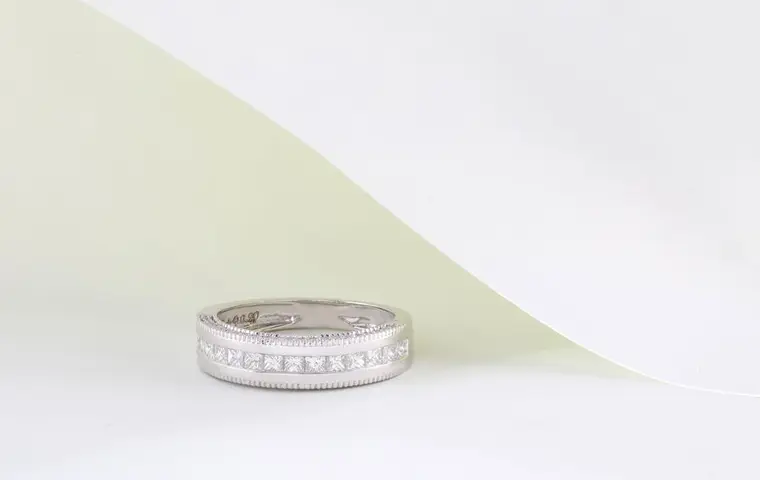
When platinum is scratched it displaces rather than sheds, so the metal moves around the mark instead of leaving. Prongs thin more slowly, which matters for the part of a ring that holds the stone.
It is denser and heavier on the hand, it develops a soft patina that some people prefer and others have polished off. It also costs more per gram.
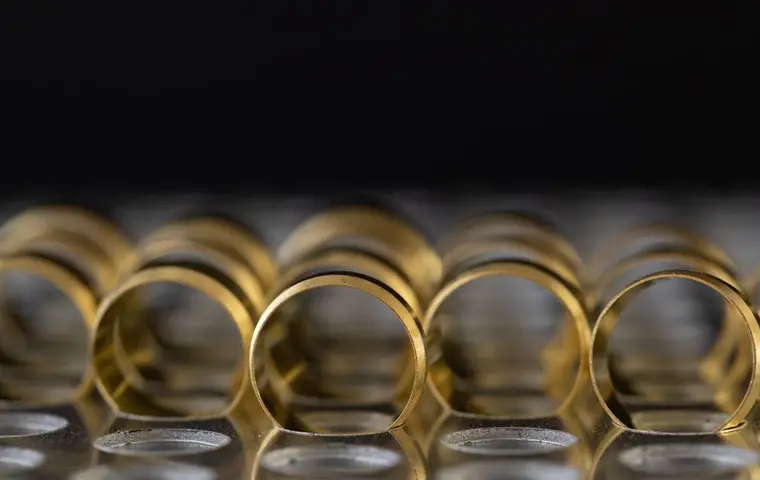
14k and 18k gold
14k is harder. More alloy, more resistance to knocks and daily wear. The color reads slightly cooler.
18k is warmer and softer. Richer yellow and more precious metal by weight. Also more willing to pick up dings. Neither is the correct answer. It depends on whether the piece is worn every day or occasionally.
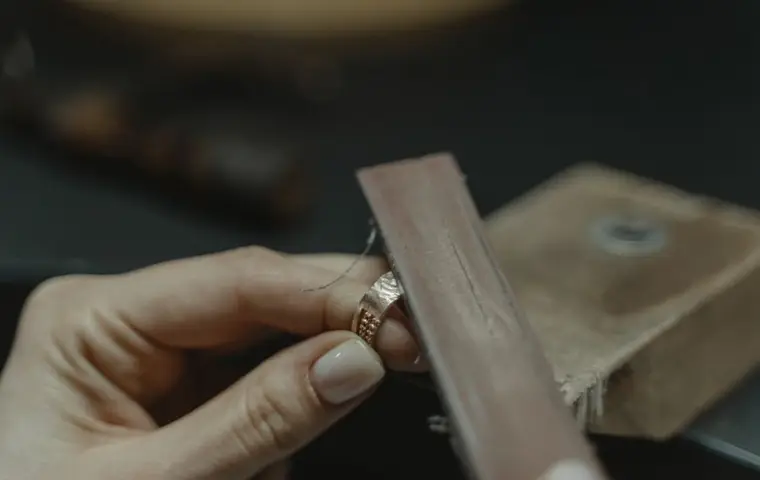
White gold and rhodium
White gold is yellow gold alloyed pale and then plated with rhodium to make it bright white. That plating wears, usually first on the back of the shank. Re-plating is a routine job every few years.
Nobody mentions this at the point of sale often enough. It is not a fault. It is maintenance. Worth knowing before you choose white over platinum. Our white gold vs platinum guide covers how each metal wears. The karat you pick, 14k or 18k, changes durability and color but not this. There is a longer explanation in our 14k vs 18k gold guide.
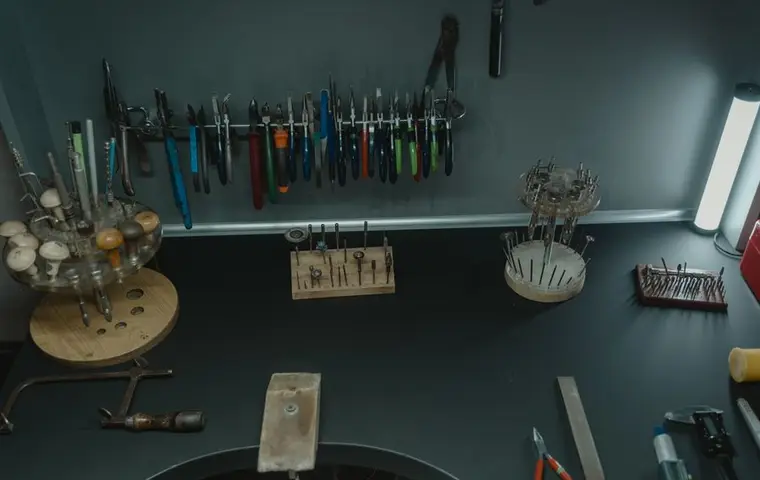
Setting style and your hands
A high solitaire throws light and also catches on gloves, hair and car doors. A bezel or a lower profile trades some sparkle for a stone that survives a life spent using your hands.
Micro pave reads as delicate because it is. Small stones want checking periodically, which is ordinary jewelry repair work rather than a defect.

Before we touch
your grandmother's ring
Resetting a family stone is the work people are most nervous about. They are right to ask questions first. Three things are worth knowing before anything is unset. And when the whole piece wants rethinking, not just the stone, our heirloom jewelry page covers redesign, restoration and keeping your own gold in the new piece.
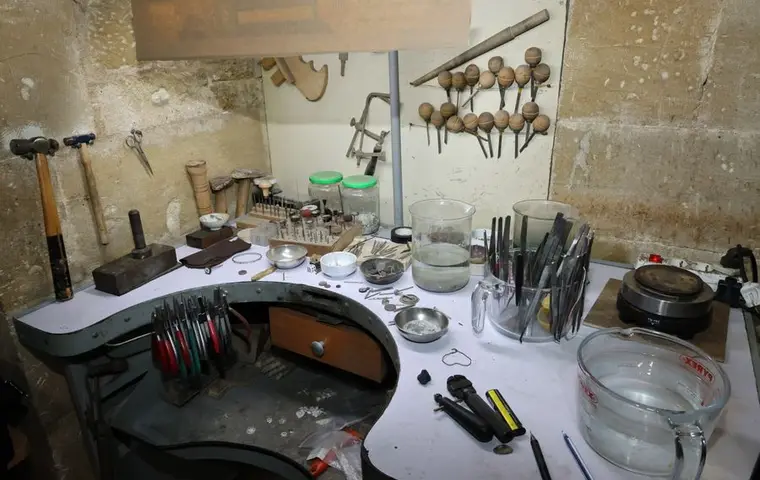
Damage hides under prongs
A chip at the girdle or a hairline running from an inclusion can sit invisible under a prong for fifty years. It is found by looking at the stone out of the setting, which is the first thing that happens rather than the last.
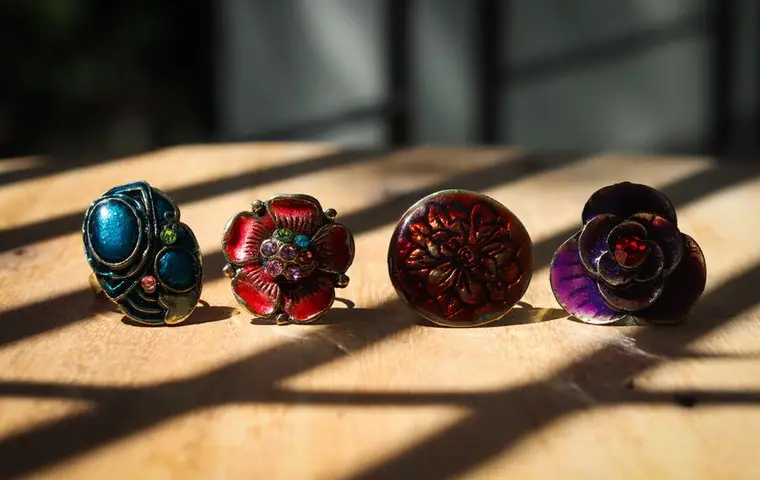
Old cuts are not modern stones
Old European and transitional cuts often carry thin girdles. A thin girdle is more fragile at the moment of setting. That does not rule out a reset. It changes which settings are sensible.
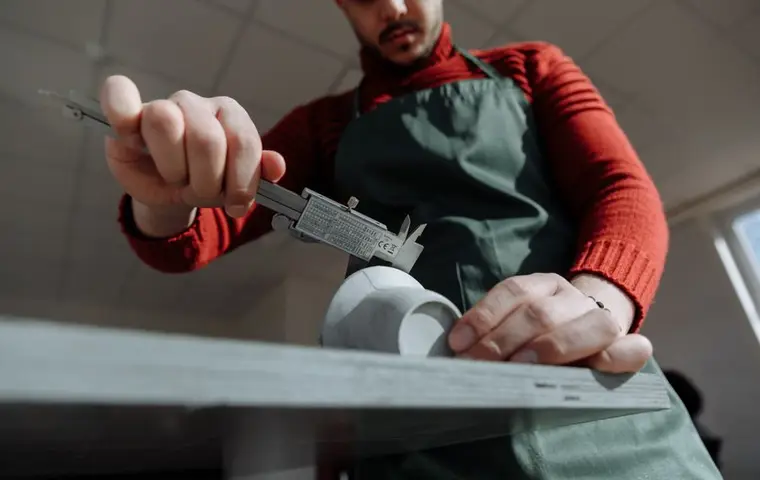
Sometimes the answer is no
Occasionally a stone should stay where it is. Occasionally the old mount is worth keeping and restoring instead. You get told that plainly. An honest no costs a sale and saves a stone that cannot be replaced. There is a longer version in our guide to resetting an old diamond.

Custom design,
answered
How does custom jewelry design work?
It starts with a conversation at the studio, usually with stones on the desk rather than photographs on a screen. The stone is chosen first because the setting is built to its exact measurements. You then see a 3D rendering, then a printed model you can wear. Nothing is cast until you approve it.
Why is the stone chosen before the design?
Because a setting is built to a specific stone. Two diamonds of the same carat weight can differ by half a millimeter across. Prong position, seat depth and the gap under the stone are all cut to the one you actually own. Designing first and shopping for a stone to fit afterwards is how a setting ends up compromised.
Can you use a diamond or a stone I already have?
Yes. Resetting inherited stones is some of the most satisfying work in the studio. It starts with looking at the stone out of its old setting, because chips at the girdle and hairline damage hide under prongs for decades. You get an honest answer about what a stone can take before anything is unset.
Should I choose a natural or a lab grown diamond?
They are the same mineral graded on the same scale, so the two things that genuinely differ are how the stone was formed and what it costs. A natural diamond formed under the ground over roughly a billion years. A lab grown one is made in a reactor in a matter of weeks. At matching specification the lab grown stone costs less. We show both side by side in daylight with the certificates rather than steering you. The longer explanation is in our lab grown vs natural diamonds guide.
What metal should a custom ring be?
Platinum displaces rather than sheds metal when it wears, so prongs thin more slowly and a scratch pushes the surface around instead of removing it. 14k gold is harder than 18k and holds up better to daily knocks, while 18k is warmer in color and softer. White gold is yellow gold plated with rhodium, so it needs re-plating every few years to stay bright.
Which setting is right for how I use my hands?
A high solitaire catches light and also catches on gloves, hair and car doors. A bezel or a lower profile protects the stone and suits people who work with their hands. Micro pave looks delicate because it is. Small stones need checking periodically. That trade off is worth deciding before the piece is designed rather than after a stone is lost.
What happens if the printed model is not right?
That is exactly what the model is for. Proportions read differently on a hand than on a screen. Band width, stone height and the gap under the shank are the three that usually change. The design is adjusted and printed again before anything is cast.
Do you design pieces other than rings?
Yes. Pendants, earrings, bracelets and redesigns of jewelry that is no longer worn all go through the same process. Colored stones bring their own considerations, since emerald and opal are far softer than sapphire or ruby and want a setting that protects them.
How much does a custom piece cost?
It depends on the stone and the design. The stone is usually most of the cost, which is why we do not quote by phone or email. A number given without seeing the stones together would be a guess. Sit down with us instead, free of charge. The design comes back with its exact price for your approval before anything is made. Asking costs nothing.
Where are you located?
Astra Jewelers is at 250 Bellevue Ave, 2nd Floor, Montclair, NJ 07043, in Upper Montclair. Design appointments are Monday to Friday, 10:00am to 6:00pm, Saturday until 5:00pm. The studio serves Montclair, Glen Ridge, Bloomfield, Verona, Cedar Grove and the rest of Essex County.
FIND ASTRA IN UPPER MONTCLAIR
We are a second-floor studio on Bellevue Avenue. Appointments get you undivided attention. Walk-ins are welcome during opening hours.
Address
250 Bellevue Ave, 2nd Floor, Montclair, NJ 07043
Hours: Mon-Fri: 10:00am-6:00pm, Sat: 10:00am-5:00pm