
Why diamonds fall out of rings
Almost never because something was wrong with the stone. Nearly always because four small pieces of metal wore down over years of contact with doorframes, denim and gym equipment. The good news is that a ring tells you before it lets go.
Why do diamonds fall out of rings?
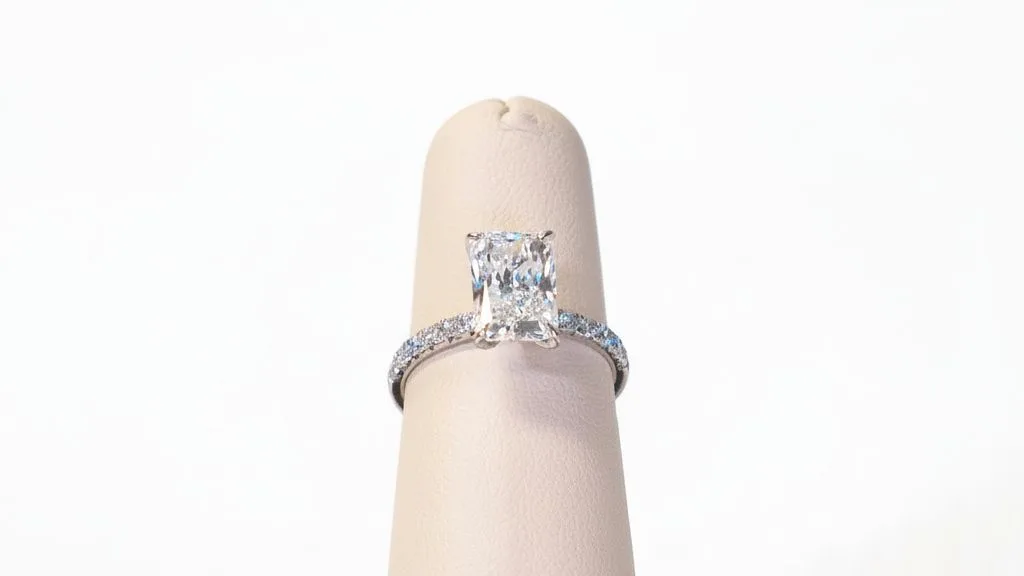
Worn prongs, in the large majority of cases. The prongs are the small metal claws bent over the edge of the stone to hold it down. They are also the highest part of the ring, which means they are the part that meets everything. Doorframes, car doors, denim pockets, keyboards, dumbbells, coat sleeves. Every one of those contacts takes a fraction of a micron off the tip.
Nothing about that is a fault. It is a metal part doing a mechanical job for a decade or two. Metal parts that rub against things get smaller. The stone is fine. The stone is the hardest natural material there is. It is the gold holding it that gives up.
The other causes are less common and easier to spot. A hard knock can bend a prong open in one moment. An older setting can crack at the base where the prong meets the head. And a ring that has been resized badly can end up with a head that no longer sits square.
The warning a ring gives you first
A stone rarely leaves without notice. It gets loose first. A loose stone moves in its setting in a way you can detect at home in about ten seconds.
Hold the ring up next to your ear and tap it lightly with a fingernail. A stone that is held properly gives you nothing. A stone that has started to move gives you a faint tick or a rattle, the sound of a diamond touching metal it should be pressed against. Jewelers call it the tap test and it has been standard counter practice for decades, because it works.
The second check is a gentle press. Put a fingertip on the table of the stone and rock it with the lightest pressure you can manage. If the stone shifts or clicks, stop wearing the ring and bring it in. That click is the entire warning you are going to get.
What retipping is and why it beats replacing a diamond
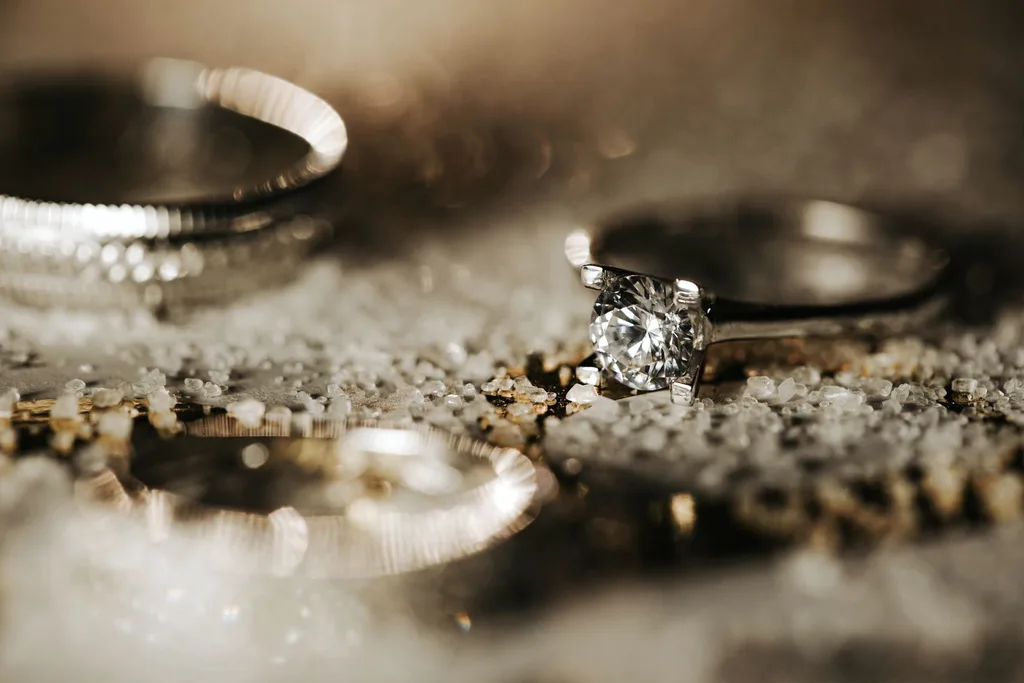
Retipping rebuilds the worn end of a prong. A jeweler adds metal to the tip, reshapes it and burnishes it back down over the stone so the claw grips the way it did when the ring was new. It is small, ordinary bench work and it is the single cheapest thing you will ever do for a ring compared with what it prevents.
The arithmetic is not close. Retipping four prongs is a modest repair. Sourcing a replacement diamond to match the color, clarity and cut of a stone you chose years ago is a different order of expense. Matching an older stone is often harder than buying a new one.
Retipping is also the moment to look at the rest of the head. Prongs that wore down did so for a reason. A ring that lost metal in one place has usually lost it in others.
When to have a ring checked
The trade answer is once a year. It is good advice for a ring worn daily. An engagement ring worn every day for five years has been through more contact than most people imagine. The wear is gradual enough that the owner never notices it happening.
The practical answer is simpler. Have it checked when you are already in the studio for something else. A prong check takes a minute under magnification. At Astra Jewelers it is part of any free estimate rather than a separate service you have to know to ask for. Come in for a watch battery and you can leave knowing whether your ring needs attention.
Rings that deserve attention sooner than annually are the ones with a lot of small stones. A pave band or a halo has dozens of tiny beads holding dozens of tiny stones. Small stones sit in small settings that wear through faster than a solitaire head does.
If the stone is already gone
Bring the ring in anyway. Bring it soon.
A setting that has lost one stone is a setting under stress everywhere else. The empty seat can distort if the ring keeps being worn. More usefully, matching a replacement is far easier with the piece in front of us than from a description or a photograph. The remaining stones give a jeweler something to match against. The empty setting gives exact dimensions to match to.
Check the places a small stone goes before you assume it is lost. Car footwells, the bottom of a handbag lining, shower drains and the inside of a coat sleeve account for a remarkable number of diamonds that were declared gone.
Astra Jewelers works on pieces from any store, of any origin and in any condition. Every repair is quoted free before anything is done. The studio is at 250 Bellevue Ave, 2nd Floor in Upper Montclair. Stone tightening is the kind of job that is often finished faster than people expect.
Common questions
How do I know if a diamond is loose in its setting?
Hold the ring next to your ear and tap it with a fingernail. A secure stone makes no sound. A loose one gives a faint tick or rattle as it moves against the metal. You can also press gently on the top of the stone and watch for any rocking. If either test gives you movement, take the ring off and have it looked at, because a stone that moves is a stone on its way out.
What is prong retipping?
Retipping is rebuilding the worn end of a prong. A jeweler adds metal to the tip, reshapes it and burnishes it back over the stone so it grips properly again. Prongs wear down because they are the highest part of the ring and meet everything it touches. Retipping is routine bench work and costs a small fraction of replacing a lost diamond.
How often should I have my engagement ring checked?
Once a year for a ring worn daily. Sooner for pave or halo settings where many small stones sit in small settings that wear faster. The easiest version is to have it looked at whenever you are in for something else. Astra Jewelers checks prongs as part of every free estimate at the Upper Montclair studio, so it costs nothing to ask.
Can you fix a ring if the diamond has already fallen out?
Yes. Bring the ring in even if the stone is gone, because the empty setting gives exact dimensions and the remaining stones give something to match color and cut against. Matching from a photograph or a description is much harder. Astra Jewelers arranges tightening, resetting or replacement depending on what the setting needs. The quote is free and comes first.
Is it my fault the diamond fell out?
Almost never. Prongs are metal claws doing a mechanical job. Metal that rubs against doorframes, denim and gym equipment for years gets thinner. That is wear rather than misuse. The only thing worth doing differently is having the prongs checked once a year, which turns a lost stone into a small repair.
Do you repair rings bought from another jeweler?
Yes. Astra Jewelers takes in pieces from any store, of any origin and in any condition, not only jewelry bought at the studio. The piece is assessed with you at the counter, quoted free. No work begins until you approve the price.